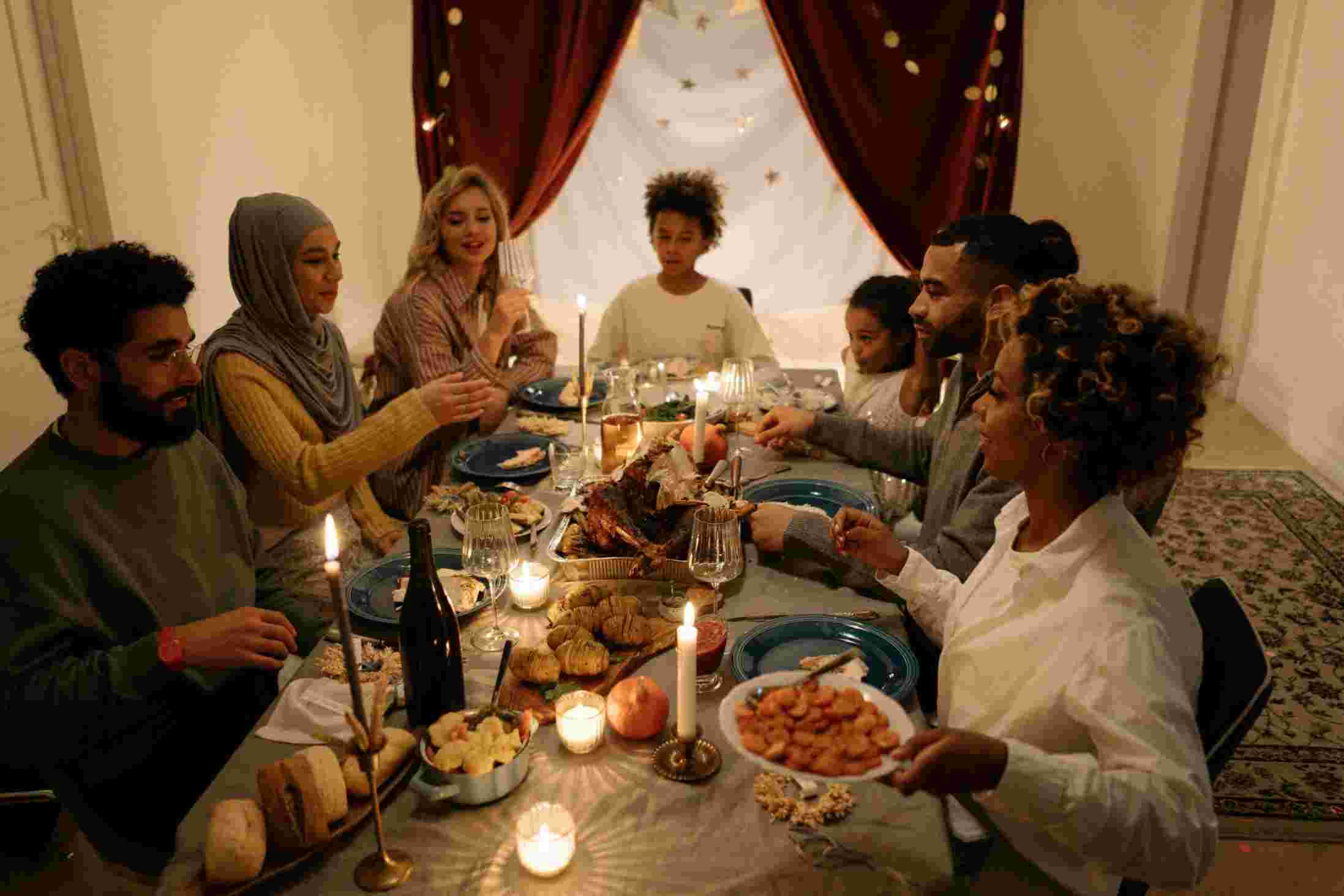
Thanksgiving is a time for family, food, and gratitude—but it’s also the leading day of the year for home fires in the United States. According to the U.S. Fire Administration (USFA) and the National Fire Protection Association (NFPA), an estimated 2,300 residential fires occur each Thanksgiving, a rate between 2.3 and 4 times higher than the daily average. Most of these fires begin in the kitchen, where busy cooks juggle multiple dishes, guests, and distractions. As homes fill with warmth, food, and celebration, the combination of cooking, heating, and decorative hazards creates a perfect storm for potential fire emergencies. Understanding these risks—and taking simple preventive measures—can make the difference between a joyful holiday and a devastating one.
To understand just how common and destructive these incidents can be, it helps to look at the data behind Thanksgiving fire trends.
Thanksgiving Fire Statistics
- Every Thanksgiving, fires cause an average of 5 deaths, 25 injuries, and $26 million in property loss. (USFA)
- Cooking is by far the leading cause of fires on Thanksgiving Day (74%) followed by heating (8%). (USFA)
- Cooking is the leading cause of fire-related injuries. From 2017 to 2019, cooking caused 31% of residential fires that resulted in injuries for non-firefighters. (USFA)
Why does Thanksgiving pose such a high risk for fires, and, more importantly, what can you do to keep your family and loved ones safe this November holiday?
Table of Contents
Common Causes of Fires on Thanksgiving Day
On Thanksgiving, there are a lot of moving parts, many of which can pose serious fire risks. Some of the biggest offenders include the following.
Turkey Fryers
At the top of the list is one of the most dangerous consumer cooking devices: turkey fryers. Deep fryers, especially turkey fryers, have the highest rate of fire-related injuries out of all cooking equipment. Fire safety experts such as the NFPA strongly discourage the use of turkey fryers that use cooking oil, which can cause devastating burns, fires, and even explosions.
For a safer alternative, NFPA recommends buying a fryer that does not use oil, such as an electric or air fryer, or purchasing a fried turkey from a grocery store or restaurant. If you must use a turkey fryer, proceed with extreme caution and follow these guidelines:
- Read and follow the manufacturer’s instructions and warnings.
- Place the fryer on level, solid ground. Units can easily tip over, spilling hot, scalding oil onto anyone or anything nearby, leading to fires, burns or other injuries.
- Allow at least two feet of space between the liquid propane tank and the fryer burner.
- Keep an all-purpose fire extinguisher nearby.
- Only use the oil recommended by the manufacturer. Different types of oil have different ignition temperatures.
- Do not overfill the fryer with oil. Instead of guessing how much to pour in, use water to estimate. Before turning the fryer on, place the turkey inside and fill the fryer with water until the bird is submerged. Remove the turkey and mark the water line on the fryer so you will know how much oil to put in the fryer.
- Completely thaw the turkey before cooking. Leaving any part of the turkey frozen can cause danger oil splatters, which can lead to contact burns, combustion, and explosions.
- Use well-insulated potholders or oven mitts. The sides, lids, and handles of the fryer get extremely hot and will cause burns if touched.
- Wear safety goggles to protect eyes from oil splatter.
- Never leave the fryer unattended, even during initial heating. Since most units do not have automatic thermostatic controls, the oil may heat until it catches fire. Many turkey fires occur while the oil is being preheated.
- If oil begins to smoke, immediately turn OFF the gas supply.
- Never use water to extinguish a grease fire.
- Remember the oil will remain dangerously hot for hours. Keep children and pets well away from the fryer.
Stovetops and Ranges
According to the NFPA, ranges and cooktops are responsible for the majority of cooking-related fires—accounting for 53% of fires, 74% of injuries, and 88% of deaths. Interestingly, electric ranges are 2.4 times more likely to cause fires than gas ranges. It can be less obvious when an electric burner is turned on, and electric burners also take longer to cool after being turned off.
Follow these tips to reduce the risk of stove-related fires:
- Stay in the kitchen. Never leave cooking food unattended, especially when frying, grilling, or sautéing with oil. If you leave the kitchen, turn off the burner.
- Watch what you cook. Fires start when heat is too high—if you see smoke or oil beginning to boil, turn off the burner immediately.
- Use oil with care. Avoid using excess oil, and never overfill pans. Oil, fat, and grease are the leading materials ignited in home cooking fires.
- Don’t cook while impaired. Avoid using the stove if you’re drowsy, tired, or have consumed alcohol.
- Set a timer. Use a timer to track cooking times and check food frequently, especially for longer recipes.
- Keep clothing secure. Tie back long hair, remove dangling jewelry, and avoid loose sleeves that can catch fire.
- Clear the area. Keep the stovetop and nearby counters free of items like oven mitts, utensils, packaging, and spills that can ignite.
- Keep a lid nearby. Have a metal lid or baking sheet ready to smother small flames by covering the pan.
- Turn handles inward. Point pot handles toward the back of the stove to prevent accidental spills and burns, and use back burners when possible.

Ovens
At Thanksgiving, the fire risk from ovens increases markedly due to longer cook times, crowded kitchen use, multi-dish preparation, and a tendency to multitask. Ovens can start fires internally with the ignition of cooking fats or externally when nearby towels, packaging, or potholders overheat. NFPA emphasizes that most cooking fire injuries and deaths occur when cooking equipment is left unattended or when combustible items are too close to heat sources.
- Do not leave your home while the oven is on. Unattended equipment is the leading factor in home cooking fires and deaths, causing 28% of fires and 48% of deaths.
- Use a sheet pan to catch drippings, as these can ignite on the heating elements below the oven racks. Avoid using too much oil or fat while cooking. Oil, fat and grease are the materials most frequently ignited in residential cooking fires.
- For an oven fire, turn off the heat and keep the door closed. Only open the door once you’re confident the fire is completely out, standing to the side as you do. If you have any doubts or concerns, contact the fire department for assistance.

Outdoor Grills
With Houston’s warm November climate, grilling is a popular choice for food preparation at Thanksgiving. Always take precautions when grilling outdoors. Fires started by grills and deep fryers have the highest average property loss ($28,500) compared to other cooking-related fires.
- Never use a turkey deep fryer or a propane, charcoal, or wood pellet barbeque grill indoors. This includes garages and covered patios. Doing so can lead to fires or carbon monoxide poisoning.
- Place your grill or fryer at least 10 feet away from siding and deck railings and out from under eaves and overhanging branches. Do not store or use a grill on a porch or balcony.
- Maintain a 3-foot safe zone around your grill or fryer. Keep kids and pets out of this area.
- Store matches and lighters in a locked cabinet away from the reach of children.
- Keep an eye on your grill. Don’t leave it unattended when it is lit.
- Open your gas grill before lighting.
- Clean your grill after use. This will remove grease that can start a fire.
- Place the coals from your grill in a metal can with a lid once they have cooled.
Food Warmers
Even though they cause relatively fewer fires than other equipment, food warmers and hot plates have the highest death rate per 1000 home cooking fires due to homeowners leaving them unattended (especially overnight) or forgetting that they turned them on.
Heaters
Although cooking remains the primary cause of home fires on Thanksgiving Day, heating equipment still contributes to roughly 8% of residential fires reported on Thanksgiving nationwide (U.S. Fire Administration). Though the use of space heaters is generally less common in Houston, many homeowners do use them as the weather gets cooler, especially in a drafty house. The added presence of guests, decorations, and extensive cooking activities on Thanksgiving can increase the likelihood of accidents.
- Fire safety experts recommend maintaining a clear three-foot zone around all heaters, keeping them away from combustible materials, never operating them unattended or overnight, and plugging them directly into wall outlets instead of extension cords.
- Place heaters in a location with low foot traffic and where children or pets can’t tip them over.
Candles
Though fires on Thanksgiving are overwhelmingly caused by cooking and heating, candles are a major contributing factor in the remaining 18% of fires. According to the NFPA, candles are responsible for an estimated 15,600 residential fires a year, causing 150 deaths, 1,270 injuries, and $539 million in property damage. Over half of candle fires are caused by the candle being placed too close to flammable décor, such as furniture, curtains, or home decorations.
- Use flameless alternatives whenever possible. Battery-operated flameless candles can look, smell, and even feel like real candles.
- Avoid using candles during power outages. Use flashlights instead of lit candles when the power goes out.
- Place candles safely. If using real candles, ensure they are in sturdy, stable holders and positioned where they cannot be easily knocked over.
- Keep safe distances. Always keep candles at least 12 inches away from anything that can burn, such as curtains, decorations, or paper.
- Supervise and extinguish. Never leave a burning candle unattended, and always blow out candles before leaving a room, going to sleep, or leaving home.
- Limit where candles are used. Avoid using lit candles in bedrooms, bathrooms, or any other areas where people may fall asleep.
- Protect children and pets. Never leave children or pets alone in a room with a lit candle.
How to Prepare Your Home Before Thanksgiving Day
Check your smoke alarms
- Cooking fires are far more deadly in homes without smoke alarms or with alarms that don’t go off when they should. 19% of cooking fires occur in homes with missing or malfunctioning smoke alarms, but 63% of cooking fire deaths occur in those homes. (NFPA)
- Test your smoke alarms by pushing the test button until it beeps.
- If you have a smoke alarm that tends to go off when cooking, you may be tempted to remove the alarm or take out the batteries to avoid the inconvenience. Instead, take the time before Thanksgiving Day to place it in a proper location. NFPA recommends leaving 10 feet of space between the alarm and any cooking appliances.
- If you don’t have a working smoke alarm, the Houston Fire Department’s Get Alarmed Houston! program provides free smoke detectors for senior citizens, people on a fixed income with young children, or people with a disability in the City of Houston who own their home.
Prepare fire safety equipment
Ensure your kitchen and outdoor cooking spaces are equipped with a fire extinguisher and/or a fire blanket. Make sure everyone in the home knows where to find them and how to use them.
Consider buying flame-resistant (not just heat-resistant) oven mitts or potholders. These not only resist catching on fire if exposed to open flames or heating elements, but they can also be used to smother a small fire in a pinch.
Clean cooking equipment and surfaces
Failure to properly clean cooking equipment is a contributing factor to 9% of cooking fires. Clean grease and cooked-on food from ovens, stovetops, grills, and other appliances. Remove food and grease buildup from burners, stovetop, and oven.
Check your appliances and equipment for damage or wear
Check your appliances ahead of time for electrical malfunctions or damage to wires, plugs, seals, and other critical parts.
Educate children on fire safety
Have activities ready to keep kids out of the kitchen during this busy time, such as crafts, games, puzzles, or books. Plan recipes that kids can help with outside the kitchen.
The NFPA has downloadable coloring pages and other resources to help teach children about fire safety. The Houston Fire Department also has a downloadable coloring book for kids.

Know your escape plan
Identify two exit routes from each room and communicate this information to guests, especially if you have a large house or a long guest list.
What to Do In Case of a Fire
Even with the best precautions, fires can still happen—especially during busy holidays like Thanksgiving. Trying to fight a fire without proper preparation or equipment is the leading cause of fire-related injuries in the home. Knowing what actions to take—and when to step back and call for help—can save lives and prevent further damage.
Grease Fires
If a small grease fire starts on the stovetop, carefully smother the flames by sliding a metal lid or baking sheet over the pan, then turn off the burner. Keep the lid in place until the pan has completely cooled; removing it too soon can allow the fire to reignite. Never use water to extinguish a grease fire, as it can cause the burning oil to splatter and spread the flames to surrounding surfaces and people. A fire blanket can also be effective for smothering small stovetop fires or other contained flames—just be sure to review the manufacturer’s instructions before the need arises so you know when and how to use it.
Oven Fires
If a fire starts inside the oven, immediately turn off the heat and keep the oven door closed to cut off the fire’s oxygen supply. Do not open the door until you are certain the fire is completely out, and when you do, stand to the side in case of smoke or flare-ups. If the fire does not go out quickly or you are unsure of your safety, evacuate the home and call the fire department right away.
Outdoor Fires
If a fire starts in a grill or turkey fryer, never attempt to move the equipment while it is on fire. Instead, turn off the fuel source immediately if it can be done safely. For propane grills, close the tank valve to stop the flow of gas. Use a Class B fire extinguisher, which is designed for flammable liquids such as grease, oil, and gas, to put out the flames. Do not use water to douse the flames, as it will cause hot oil to splatter and spread the fire.
If a turkey fryer catches fire and you cannot control it with an extinguisher, get everyone away from the area and call 911. Keep a safe distance from the fryer until firefighters arrive, as the oil can remain dangerously hot for hours after ignition. After any outdoor fire, have the equipment professionally inspected before using it again.
Using a Fire Extinguisher
For small, contained fires—such as those limited to a pan, trash can, or single appliance—use a fire extinguisher only if you can do so safely. Make sure you understand the labels on your fire extinguisher and know when and how to use it.
Aftermath
Even if you successfully extinguish a fire, always call 911 to have professionals inspect for hidden embers, smoke damage, or electrical hazards that could reignite later. It’s better to call the fire department and not need them than to call them when it’s too late.
Related Post: How Smoke Permeates A Home
When a fire does occur, swift action after the emergency is just as important. Once it is safe to return, professional restoration services can help minimize long-term damage and restore your home to its pre-fire condition. If you experience a fire, contact Paul Davis of Greater Houston for prompt fire damage cleanup, smoke remediation, and restoration services to help your family recover quickly and safely.
Sources
- https://www.usfa.fema.gov/statistics/reports/fire-causes/snapshot-thanksgiving.html
- https://www.nfpa.org/education-and-research/research/nfpa-research/fire-statistical-reports/home-cooking-fires
- https://www.nfpa.org/about-nfpa/press-room/news-releases/2024/nfpa-urges-extra-caution-when-preparing-your-feast-this-thanksgiving
- https://www.nfpa.org/downloadable-resources/safety-tip-sheets/thanksgiving-safety-tip-sheet
- https://www.usfa.fema.gov/statistics/reports/who-fire-impacts/civilian-fire-injuries-residential-buildings-v21i4.html
- https://www.usfa.fema.gov/prevention/home-fires/prevent-fires/cooking/
- https://dfs.dps.mo.gov/safetytips/thanksgiving-holiday-fire-safety.php
- https://www.nfpa.org/education-and-research/home-fire-safety/candles
- https://www.nfpa.org/education-and-research/home-fire-safety/heating
- https://www.nfpa.org/education-and-research/home-fire-safety/smoke-alarms/installing-and-maintaining-smoke-alarms
- https://www.houstontx.gov/fire/FAQs.html
- https://www.usfa.fema.gov/prevention/outdoor-fires/